
Submit Post
Date: February 20, 2026 1:12 pm. Number of posts: 1,908. Number of users: 3,162.

7 Practical Ways to Save Money in Nigeria Today

Trying to save money as a young professional in Nigeria can feel overwhelming, especially when your expenses seem to grow faster than your income. From hidden costs to rising living expenses, it often feels like your naira disappears before you even realize it. The challenge is knowing exactly where your money goes and finding ways to keep more of it for the future.

The good news is you do not need to depend on guesswork or hope. There are specific, practical steps proven to help Nigerians gain control of their money—whether it is tracking expenses, shopping smart at local markets, or cutting wasteful spending. These strategies help you handle real challenges and start seeing results quickly.

Get ready to discover simple yet effective habits that can bring you clarity, control, and real savings. Each tip is designed to move you closer to your financial goals and make your money work harder for you.

Table of Contents

Quick Summary

Key MessageExplanation
1. Track Your Expenses RegularlyMonitoring every expense helps identify spending patterns and areas for savings over time.
2. Utilize Local Markets for ShoppingLocal markets offer lower prices than supermarkets, allowing you to save significantly on groceries and other goods.
3. Cut Unnecessary SubscriptionsReviewing and canceling unused subscriptions can free up funds for more important financial priorities.
4. Cook Meals at HomePreparing food at home can drastically reduce your food expenses compared to dining out.
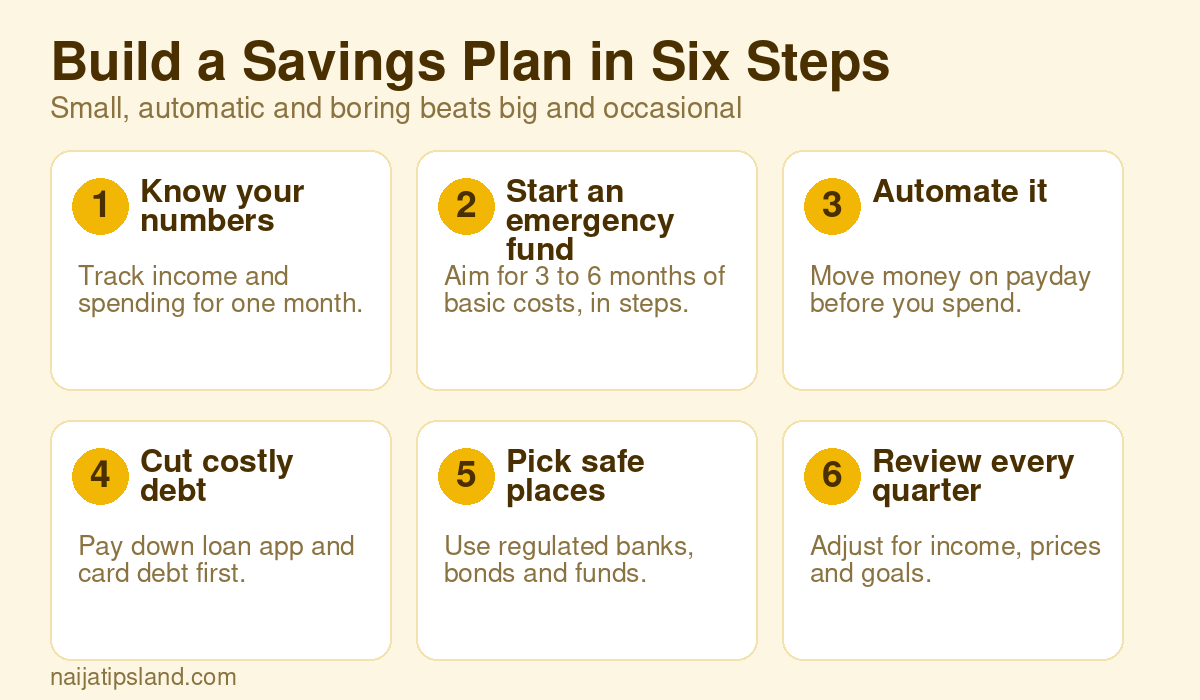
5. Build an Emergency FundCreating a savings buffer can protect you from financial crises without needing to borrow or rely on expensive loans.

1. Track Your Monthly Expenses Closely

Understanding where your money actually goes is the foundation of saving money. Without tracking, you’re essentially flying blind, guessing at your finances while your naira slips away into invisible expenses. Expense tracking transforms vague spending patterns into clear, actionable data that reveals exactly how much you’re spending and where.

The reason this matters so much for young professionals in Nigeria is simple: rising costs of living make every naira count. When you track every expense, you stop making assumptions about your spending habits. You might think you’re only spending 5,000 naira on transport per week, but the actual number could be 8,500 when you account for Uber rides home after late nights at the office, rides to client meetings, and those emergency trips. That 3,500 naira difference per week adds up to over 182,000 naira annually. That’s money you could redirect toward your savings goal.

Tracking your spending is the secret to financial clarity; it helps you understand where your money really goes without judging yourself. This isn’t about shame or criticism; it’s about awareness and control.

Getting Started with Tracking

You have several methods to choose from, and the best one is the one you’ll actually use consistently. Your options include:

  • Pen and paper: Old school but effective. Write down every expense in a small notebook you carry with you
  • Mobile apps: Tools that automatically categorize spending and send you alerts when you exceed limits
  • Spreadsheets: Create a simple Excel sheet where you enter expenses daily or weekly
  • Bank tools: Many Nigerian banks offer built-in expense tracking features in their mobile apps

The method matters less than the consistency. Pick one approach and commit to it for at least one month. Understanding how to track spending habits requires you to record every single transaction, no matter how small.

What You’ll Actually Discover

When you start tracking, surprising patterns emerge. Most professionals discover three categories eating their budget:

  1. Discretionary dining and drinks: That 2,000 naira coffee before work, lunch with colleagues, Friday evening hangouts
  2. Subscriptions you forgot about: Streaming services, gym memberships, dating apps, premium social media features
  3. Small impulse purchases: Mobile top-ups, snacks, small gifts, random items from online shopping apps

None of these feel significant in the moment. But when you categorize your spending and review patterns over four weeks, you see the full picture. A monthly expense tracker helps you monitor spending habits in detail, including projecting costs in categories like groceries, bills, dining, and transport. This clarity is where the real power lives.

You’ll notice spending patterns tied to your emotions and schedule. Maybe you spend more on transport on stressful work weeks. Perhaps your grocery bills spike when you skip meal planning. These insights let you adjust your behavior, not just your budget.

How to Actually Do This

Create categories that match your life. The standard categories (housing, food, transport, entertainment) work, but you might need something more specific. Consider:

  • Housing: Rent, property taxes, insurance, maintenance
  • Groceries and food: Market trips, supermarket shopping (separate from dining out)
  • Dining out: Restaurants, cafes, takeout, social meals
  • Transport: Fuel, public transport, Uber, vehicle maintenance
  • Utilities and services: Electricity, water, internet, phone bills
  • Personal care: Hair, skincare, gym membership, clothing
  • Entertainment: Movies, events, hobbies, subscriptions
  • Emergency: Medical expenses, car repairs, unexpected costs

Record every expense the day it happens. Your brain forgets details within hours. If you wait until the weekend to remember Wednesday’s expenses, you’ll lose accuracy. Set a phone reminder if you need to.

At the end of each week, spend 10 minutes reviewing what you spent. This quick review keeps you aware without feeling overwhelming. At month’s end, calculate totals by category and look for surprises.

Pro tip: Use a tracking method that syncs with your bank account automatically, like your bank’s native app or a connected third-party tool, so you only need to categorize rather than manually enter every transaction, reducing friction and increasing consistency.

2. Use Local Markets for Cost-Effective Shopping

Local markets are where your naira stretches furthest. Whether you’re shopping for groceries, clothing, or household items, local markets offer prices you simply won’t find in supermarket chains or online retailers. The difference isn’t just a few hundred naira here and there—it can amount to thousands monthly.

Why are local markets so much cheaper? The answer lies in how commerce works. Local markets operate through direct supply chains that eliminate middlemen and reduce overhead costs. When you buy tomatoes at Balogun Market instead of a supermarket, the farmer’s produce reaches you with fewer markups added along the way. There’s no expensive storefront rent, fewer staff members, minimal air conditioning costs, and no advertising budgets to recover. All those savings get passed directly to you through lower prices.

Beyond price, shopping at local markets supports your community’s economy. Local markets in Nigeria provide cost-effective shopping by enabling greater competition, which reduces reliance on imports and improves access to affordable goods. When you choose local markets, you’re not just saving money for yourself—you’re contributing to economic growth in your neighborhood.

Shopping at local markets means paying less while supporting your community’s economy. This is practical money management that creates real impact.

Where to Shop: Major Lagos Markets and Beyond

If you’re in Lagos, you have access to some of Nigeria’s most vibrant shopping destinations. Lagos hosts markets like Balogun, Mile 12, and Tejuosho, which offer diverse new and second-hand goods at competitive prices. Each market specializes in different product categories:

  • Balogun Market: Textiles, fabrics, clothing, and accessories
  • Mile 12 Market: Fresh produce, vegetables, fruits, and agricultural products
  • Tejuosho Market: Electronics, household appliances, and general merchandise
  • Yaba Market: Food items, spices, and cooking ingredients
  • Bariga Market: Affordable clothing and household goods

Outside Lagos, every city and town has equivalent local markets. In Abuja, visit Wuse Market or Dei-Dei for groceries. In Ibadan, Bodija Market offers fresh produce at unbeatable prices. In Kano, the traditional markets remain the shopping hub for affordable goods. The pattern is consistent everywhere: local markets undercut formal retailers significantly.

What You Can Save by Shopping Locally

Let’s look at real examples of how much you can save. Consider a typical weekly grocery shop:

  • Tomatoes: 800 naira per basket at supermarkets versus 400 to 600 naira at Mile 12 Market
  • Onions: 150 naira per kg in malls versus 80 to 100 naira at local markets
  • Rice: 28,000 naira for 50 kg at supermarkets versus 22,000 to 24,000 naira at markets
  • Eggs: 6,500 naira per crate at malls versus 4,500 to 5,500 naira at markets
  • Chicken: 3,500 to 4,000 naira per kg at supermarkets versus 2,500 to 3,000 naira at markets

If you spend 20,000 naira weekly on groceries at a supermarket, shopping at local markets could reduce that to 12,000 to 14,000 naira. That’s 6,000 to 8,000 naira saved every week, or roughly 24,000 to 32,000 naira monthly. Over a year, that’s 288,000 to 384,000 naira you could redirect toward savings, debt repayment, or investments.

Shopping Smart at Local Markets

Local market shopping requires a slightly different approach than supermarket shopping, but the technique is learnable. Here’s how to maximize your savings:

  1. Go early in the morning: Vendors are more willing to negotiate on prices when they’re just opening, and produce is freshest
  2. Bring cash: Many local market vendors still operate on cash only, and having physical money often gives you negotiating power
  3. Know reasonable prices: Before you go, ask friends or check prices at a couple of markets so you understand what’s fair
  4. Buy in bulk when possible: Purchasing larger quantities often qualifies you for volume discounts
  5. Build relationships with vendors: Regular customers often get better prices and first pick of quality items
  6. Inspect items carefully: Unlike supermarkets, you need to check for quality and ripeness yourself
  7. Go with a list: Avoid impulse purchases by knowing exactly what you need before arriving

The learning curve is small. After two or three visits to your local market, you’ll understand the rhythm, know which vendors offer the best quality, and develop the confidence to negotiate prices appropriately.

Making Local Market Shopping Convenient

You might worry that local market shopping takes more time than supermarkets. It does, but you can minimize this. Consider shopping once every two weeks instead of weekly. Dedicate one morning to your local market, buy in larger quantities, and store items properly at home. Many young professionals find that spending two hours at the market every two weeks, combined with occasional supermarket trips for items not available locally, saves both money and time overall.

Another option is joining a buying cooperative or group shopping arrangement with friends. When multiple people pool their shopping needs, you can negotiate even better prices and split the time commitment.

Pro tip: Visit your local market between 6 AM and 8 AM on weekday mornings when foot traffic is lowest and vendors are most willing to negotiate, then store perishables properly using freezing and proper ventilation to extend shelf life and reduce waste.

3. Cut Unnecessary Subscriptions and Bills

You’re probably paying for services you forgot you have. Most young professionals in Nigeria carry multiple subscriptions that drain their accounts quietly every month, often without realizing the cumulative damage. Subscription creep is one of the fastest ways money disappears from your bank account without providing actual value.

Here’s the harsh reality: that streaming service you subscribed to for one month two years ago is still charging you. Your gym membership sits unused while you pay 5,000 naira monthly. The premium social media app you tried once continues its automatic withdrawals. These aren’t large individual amounts, but together they represent hundreds or thousands of naira bleeding away monthly. When you’re trying to build savings in an economy with rising costs, this wastage is genuinely dangerous to your financial goals.

Cutting unnecessary expenses means identifying and eliminating wasteful spending such as unused subscriptions and redundant services. The money you free up becomes actual savings you can control.

The Subscription Audit Process

Start by listing every recurring charge on your accounts. This requires some detective work, but it’s worth the effort. Check your:

  • Mobile phone bills for premium app charges and subscription services
  • Bank statements for monthly deductions from streaming services, software, and memberships
  • Email inbox for subscription confirmation emails going back three months
  • Payment app accounts like Opay, PalmPay, or Paystack for recurring charges
  • Credit card statements if you use cards for online subscriptions

Write down each subscription with its monthly cost, the date you started it, and when you last actually used it. Be honest with yourself. That Netflix subscription you think you watch weekly but actually visit once a month is still costing you. The fitness app you installed with good intentions but never opened counts as wasteful spending.

Categories of Subscriptions to Evaluate

Most subscriptions fall into a few categories, and each deserves different consideration:

Entertainment and Streaming

  • Netflix, ShowMax, Amazon Prime Video, Spotify
  • Gaming subscriptions and mobile game premium passes
  • Social media premium features

Productivity and Tools

  • Cloud storage services with paid tiers
  • Professional software or apps
  • Online course memberships

Fitness and Wellness

  • Gym memberships
  • Fitness app subscriptions
  • Meditation or wellness apps

Convenience Services

  • Food delivery app premium memberships
  • Ride-sharing loyalty programs
  • Shopping app premium features

For each subscription, ask yourself three questions: Do I use this regularly? Does this provide genuine value to my life? Could I achieve the same benefit through a free alternative or occasional payment?

The Real Cost of Your Subscriptions

Let’s make this concrete with actual numbers. If you’re like many young professionals, you might have:

  • Netflix: 2,900 naira monthly
  • Spotify Premium: 1,000 naira monthly
  • A fitness app: 2,500 naira monthly
  • YouTube Premium: 1,500 naira monthly
  • Mobile phone premium package with extra data: 3,000 naira monthly
  • One unused streaming service: 1,000 naira monthly

That’s 12,000 naira monthly, or 144,000 naira annually. Now, if you ruthlessly cut to only the two services you actually use, you’re down to 3,900 naira monthly. You’ve just freed up 8,100 naira monthly, which is 97,200 naira annually. Cutting unnecessary expenses immediately through subscription elimination is one of the fastest ways to improve your financial position.

How to Actually Cut Your Subscriptions

Having the list is one thing. Actually canceling requires action. Here’s the process:

  1. Identify which subscriptions to keep: Choose only services you genuinely use at least twice weekly
  2. Find the cancel option: Most services hide the cancellation button, but it’s usually in account settings or billing information
  3. Check for contracts: Some services require you to complete a billing cycle before canceling; understand these terms
  4. Save confirmation: Take a screenshot or note the cancellation confirmation for your records
  5. Set a reminder: Mark your calendar to review remaining subscriptions in three months
  6. Monitor your statements: Verify that canceled subscriptions actually stop charging you

Don’t get caught in the trap of reactivating services later. If you want to watch Netflix again, you can resubscribe when you actually plan to use it rather than maintaining an active account “just in case.”

Negotiating Bills You’re Keeping

Beyond subscriptions, your regular utility and service bills deserve attention. Your electricity bill, internet service, and mobile phone plan often have room for negotiation. Call your providers and ask about:

  • Loyalty discounts for long-term customers
  • Promotional rates for new plans
  • Bundle discounts if you use multiple services
  • Off-peak pricing plans for flexible usage

You’d be surprised how often companies will offer better rates simply because you asked. Budgeting and fiscal transparency organizations encourage Nigerians to scrutinize monthly expenses including subscriptions and utility bills, and many find that negotiating better terms significantly reduces household expenditures.

When you call, be polite but direct. Say something like: “I’ve been a customer for two years and I appreciate your service. I’ve noticed competitor pricing is lower. What can you offer me to keep my business?” Often, the retention department has authority to offer discounts or better plans that aren’t advertised.

Building the Habit

Cutting subscriptions shouldn’t be a one-time event. Set a quarterly reminder to review your statements and verify you’re still actively using everything you pay for. Some subscriptions creep back in through promotions or forgotten accounts, so staying vigilant protects your savings.

Pro tip: Create a spreadsheet tracking all subscriptions with renewal dates, then set phone reminders two days before each renewal so you consciously decide whether to continue or cancel before charges process.

4. Cook at Home to Reduce Daily Food Costs

The difference between eating out and cooking at home is possibly the single biggest factor in your food budget. A meal from a restaurant or food vendor might cost 3,000 to 5,000 naira, while the same meal prepared at home costs 800 to 1,200 naira in ingredients. Home cooking isn’t just about saving money; it’s about reclaiming control over your spending and your health.

Young professionals often justify eating out as a time investment. You’re busy, you have meetings, you’re exhausted after work. Grabbing jollof rice and chicken from a vendor feels faster than cooking. But this reasoning ignores the financial reality. If you eat out twice daily at an average of 4,000 naira per meal, you’re spending 8,000 naira daily, or 240,000 naira monthly on food alone. That’s money that could go toward your savings, investments, or building emergency reserves. When you cook at home, you’re not sacrificing convenience; you’re making a conscious choice to prioritize your financial future.

Home-cooked meals cost significantly less than restaurant meals while providing better nutrition and economic savings. The investment of time in cooking returns dividends in your bank account.

Why Home Cooking Saves So Much Money

Understanding the economics helps you commit to this change. When you buy food at a restaurant, you’re paying for multiple layers of cost:

  • The raw ingredients themselves
  • Labor costs for the cook and staff
  • Rent or lease for the restaurant space
  • Utilities (electricity, water, gas)
  • Marketing and transportation
  • The restaurant owner’s profit margin

Each of these layers adds markup to the final price you pay. A vendor might buy onions for 100 naira per kilogram, spend 50 naira on labor to cook your meal, pay 30 naira for utilities, and add 200 naira profit. You end up paying 500 naira for ingredients that cost 100 naira raw. When you cook at home, you eliminate every middleman and every layer of profit except your own investment in time.

Cooking at home in Nigeria reduces dependence on costly processed foods and provides economic benefits alongside health improvements. The efficiency of home cooking, especially with modern cooking methods, means your resources stretch further while producing better quality meals.

The Real Numbers: Your Monthly Food Budget Comparison

Let’s be specific about the savings. Here’s what a typical young professional might spend:

Eating Out Daily

  • Breakfast (bread, tea, egg): 1,500 naira
  • Lunch (jollof rice, chicken, salad): 4,000 naira
  • Snacks or drinks: 1,500 naira
  • Dinner (when eating out): 4,000 naira
  • Daily total: 11,000 naira
  • Monthly total: 330,000 naira

Cooking at Home

  • Breakfast ingredients (bought weekly): 3,000 naira
  • Lunch meal prep supplies: 12,000 naira
  • Dinner ingredients: 10,000 naira
  • Snacks and drinks: 3,000 naira
  • Weekly total: 28,000 naira
  • Monthly total: 112,000 naira

The difference is 218,000 naira monthly. Over a year, that’s 2,616,000 naira. This is transformative money. This is the difference between having savings and living paycheck to paycheck. This is the money that builds an emergency fund, funds side projects, or goes toward that investment you’ve been considering.

Starting Your Home Cooking Practice

If you haven’t cooked regularly, starting feels intimidating. But home cooking doesn’t require culinary school. Most Nigerian meals are straightforward once you understand the basic process:

  1. Start with meals you know: Cook jollof rice, stew, soups, and dishes you eat regularly at restaurants
  2. Follow simple recipes: YouTube has thousands of Nigerian cooking channels with step-by-step instructions
  3. Buy ingredients fresh: Visit your local market for fresh vegetables, proteins, and staples
  4. Meal prep on weekends: Cook large batches on Saturday or Sunday for the week ahead
  5. Keep it simple: You don’t need fancy equipment; a pot, knife, and stove handle 95 percent of cooking
  6. Store properly: Use containers to portion meals for easy reheating during the week

The first few times you cook a meal, it takes longer than eating out. But by your third or fourth attempt, you develop muscle memory and efficiency. Within a month, you’ll prepare meals faster than you currently wait in food lines.

Meal Planning Makes Cooking Sustainable

The key to consistent home cooking is meal planning. Don’t cook randomly and hope something turns out. Plan your meals for the week:

  • Monday: Jollof rice with stew and chicken
  • Tuesday: Soup (vegetable or pepper soup) with fufu
  • Wednesday: Pasta with tomato sauce and vegetables
  • Thursday: Rice and beans with fried plantains
  • Friday: Fried rice with mixed vegetables and protein
  • Weekend: Cook a larger batch of stew for the week ahead

Once you have your meal plan, create a shopping list organized by the market or store sections. This focused shopping prevents impulse purchases and ensures you have everything you need without waste.

The Health Bonus

Beyond the financial savings, home cooking improves your health. Restaurant meals often contain excess salt, sugar, and oil for flavor. Home cooking supports families in managing food budgets better and improving overall health outcomes through access to fresh, whole foods. When you control the ingredients, you know exactly what’s going into your body. You can adjust salt, oil, and spice levels to your preference. You’re eating fresher vegetables and proteins than processed alternatives.

Many young professionals find that as they cook more, their energy levels improve, they lose unwanted weight, and they feel better overall. This health benefit alone justifies the time investment in cooking.

Pro tip: Cook double portions of dinner on weeknights and portion the extras into containers for tomorrow’s lunch, effectively doing half the cooking work while ensuring you always have a home-cooked meal available to grab instead of reverting to expensive food vendors.

5. Embrace Carpooling or Public Transport

Transport costs are eating your paycheck. If you drive yourself to work daily in Lagos, Abuja, or any major Nigerian city, you’re spending thousands of naira monthly on fuel, maintenance, parking, and vehicle depreciation. Carpooling and public transport offer a radical alternative that keeps more money in your pocket while reducing stress.

Many young professionals convince themselves they need personal vehicles for independence and flexibility. But independence comes at a price. A vehicle that costs 2 million to 5 million naira upfront requires monthly fuel spending of 15,000 to 30,000 naira, plus maintenance, insurance, and depreciation. Over a year, you’re easily spending 300,000 to 500,000 naira on transport alone. This doesn’t even account for the opportunity cost of that 2 to 5 million naira you could have invested elsewhere. Public transport and carpooling reduce these costs dramatically while providing unexpected benefits like time to work, read, or relax instead of focusing on traffic.

Reducing reliance on private vehicles through public transport and carpooling lowers overall transport costs for individuals while improving accessibility and sustainability. The money you save becomes money you control.

Understanding Your Transport Options

Nigeria’s transport landscape is changing. In Lagos, the Lagos Bus Rapid Transit system offers affordable, structured transport. In other cities, you have combinations of buses, minibuses, motorcycle taxis, and emerging ride-sharing options. Each has different costs and convenience levels:

  • BRT and structured buses: 1,000 to 2,500 naira per trip, reliable schedules
  • Minibuses and danfo: 500 to 1,500 naira per trip, flexible routes
  • Motorcycle taxis (Okada): 500 to 1,000 naira per trip, quick point-to-point travel
  • Ride-sharing apps (Uber, Bolt): 2,000 to 5,000 naira per trip, convenience and tracking
  • Carpooling with colleagues: 3,000 to 8,000 naira daily split among passengers

Public transport remains vital for Nigeria’s large population and can reduce reliance on private vehicles, significantly lowering individual travel costs. The key is combining these options strategically based on your specific routes and schedule.

The Monthly Cost Comparison

Let’s calculate real numbers. Assume you travel 20 kilometers daily for work, five days per week:

Driving Your Own Vehicle

  • Fuel: 20,000 naira monthly
  • Maintenance (oil, servicing, tires): 5,000 naira monthly average
  • Insurance: 8,000 naira monthly
  • Vehicle depreciation: 15,000 naira monthly (spread over vehicle lifespan)
  • Parking: 3,000 naira monthly
  • Total: 51,000 naira monthly

Using Public Transport

  • Minibus or BRT: 2,000 naira daily × 20 working days = 40,000 naira monthly
  • Occasional ride-sharing or special trips: 5,000 naira monthly
  • Total: 45,000 naira monthly

Carpooling with Two Colleagues

  • Your share of fuel: 20,000 naira ÷ 3 = 6,666 naira monthly
  • Your share of parking: 3,000 naira ÷ 3 = 1,000 naira monthly
  • Vehicle maintenance and insurance split: Depends on arrangement, typically 5,000 to 8,000 naira monthly
  • Total: 12,666 to 15,666 naira monthly

Carpooling saves you 35,000 to 38,000 naira monthly compared to solo driving. Public transport saves you 6,000 naira monthly. Over a year, carpooling saves you 420,000 to 456,000 naira. This is genuine, transformative money.

How to Implement Carpooling

Carpooling requires coordination but isn’t complicated. Here’s how to start:

  1. Identify colleagues with similar routes: Ask coworkers where they live and their commute patterns
  2. Propose the idea: Frame it as cost-sharing and mutual benefit, not as you needing help
  3. Set clear agreements: Discuss fuel cost splitting, scheduling, pickup locations, and responsibility if someone is absent
  4. Start small: Begin with two or three people, not a complex system with many participants
  5. Use a rotation if driving: If multiple people drive, rotate who drives each week to distribute wear and fuel costs
  6. Set boundaries: Agree on music preferences, conversation levels, and acceptable detours
  7. Handle conflicts quickly: If issues arise, address them immediately before resentment builds

The best carpooling arrangements treat cost-sharing as simple math. If fuel costs 40,000 naira monthly and three people drive equally, each person pays roughly 13,000 naira. If one person always drives, that person receives compensation from the other two.

Making Public Transport Work

Public transport works best with strategic planning:

  • Map your route: Use Google Maps or local knowledge to find the best bus or minibus route
  • Time your travel: Leave slightly earlier to account for transport unpredictability
  • Combine methods: Use different transport for different legs (walk to the minibus station, minibus to a main road, motorcycle taxi to your office)
  • Use apps: In Lagos, check the BRT app for schedules. In other cities, ask locals or check Facebook groups for route information
  • Build relationships: Chat with regular drivers and fellow passengers; they often warn about traffic or changes

Nigeria is transitioning toward sustainable mass transportation systems with improved infrastructure and optimized routes. As these systems improve, public transport becomes increasingly reliable and cost-effective.

The Hidden Benefits Beyond Money

Beyond the financial savings, carpooling and public transport offer unexpected advantages. You gain time. Instead of focusing on traffic, you can read, work on your laptop, listen to podcasts, or simply rest. Many professionals use commute time for professional development or creative thinking. You reduce stress from aggressive driving and traffic anxiety. You meet new people and build professional relationships with colleagues through carpooling.

You also reduce your environmental impact, which matters increasingly as young professionals become more conscious of sustainability. Each time you skip a solo drive, you reduce emissions and contribute to better air quality in your city.

Pro tip: Find one reliable colleague with a compatible schedule and start a two-person carpool, then once that arrangement works smoothly, gradually add a third person to further reduce everyone’s costs while maintaining simplicity and accountability.

6. Negotiate Prices and Seek Discounts

Most people accept the first price they hear. A vendor quotes 50,000 naira for a phone case, and you pay 50,000 naira. A landlord says rent is 500,000 naira monthly, and you accept. This passivity costs you thousands of naira annually. Price negotiation is a learnable skill that directly increases your savings without requiring you to earn more money.

Here’s the truth that changes everything: almost every price is negotiable. Sellers expect negotiation, especially in Nigerian markets and informal commerce. When you don’t negotiate, you’re leaving money on the table. The seller profits more, and you pay more than you should. More importantly, you miss the opportunity to redirect those extra naira toward your savings goals. Young professionals often feel uncomfortable negotiating because they associate it with haggling or appearing poor. But negotiation is simply a conversation about value. When done right, both parties feel satisfied with the outcome.

Effective negotiation strategies help individuals achieve better prices on goods and services, directly increasing savings. You have more power in these conversations than you realize.

Why Negotiation Works

Understanding the psychology of negotiation helps you approach it confidently. Sellers have several motivations beyond just making a sale. They want to move inventory, especially if items have been sitting unsold. They value regular customers and want repeat business. They prefer making a sale at a lower price to making no sale at all. They have flexibility in what they can accept, and they expect customers to ask for discounts.

Consumers hold greater negotiating power through understanding alternatives and the seller’s options, allowing them to negotiate better prices on goods and services. This isn’t about being aggressive or confrontational. It’s about having information and being willing to walk away if necessary. When a seller knows you have other options, they become more motivated to offer you a better deal.

The key to successful negotiation is preparation. Before you approach any seller, know three things: the typical market price, your maximum acceptable price, and what you’ll do if they won’t negotiate. This preparation eliminates hesitation and gives you confidence.

Practical Negotiation Situations in Nigeria

You encounter negotiation opportunities regularly. Here are common scenarios where you should always attempt negotiation:

  • Buying electronics or appliances: Expect 10 to 20 percent discounts from initial asking prices
  • Renting property: Landlords often reduce rent by 5 to 10 percent if you’re paying multiple months upfront or offering a longer lease
  • Vehicle purchases: Car prices have significant wiggle room, typically 15 to 25 percent below asking price
  • Large grocery or market purchases: Buying in bulk qualifies you for volume discounts
  • Service fees: Internet, phone plans, and professional services often have negotiable rates
  • Medical or dental costs: Private healthcare providers frequently offer discounts for upfront payment
  • Event venues and catering: Wedding and event services have flexible pricing depending on season and demand

Notice these are places where you’re making substantial purchases or committing to ongoing relationships. These situations justify the time investment in negotiation.

The Negotiation Process Step by Step

Negotiation doesn’t require aggressive tactics or confrontation. Successful negotiation involves preparation and building rapport while avoiding hardball tactics. Here’s a framework you can use:

  1. Research the market price: Ask three to five sellers or check online for typical pricing. Know what you should reasonably pay.
  2. Build rapport: Start with genuine conversation. Show interest in the seller and their business. Smile and be respectful.
  3. Show your seriousness: Indicate you’re genuinely interested in purchasing, not just browsing. Ask detailed questions about the product.
  4. Make your offer: Don’t ask “Can you reduce the price?” Instead, say “I can pay 35,000 naira today.” State a specific number based on your research.
  5. Listen to their response: They may accept, counter-offer, or refuse. Listen carefully to their reasoning.
  6. Counter-offer strategically: If they refuse, acknowledge their position and make another offer slightly higher than your first. Say “I understand it’s a quality item. How about 38,000 naira?”
  7. Know your walk-away point: If negotiations stall at a price above what you’ll pay, politely thank them and leave. Often, they’ll call you back with a better offer.
  8. Close respectfully: When you agree on a price, thank them and complete the transaction promptly.

The entire process takes 5 to 15 minutes for most transactions. The money you save justifies this time investment.

Real Examples of Successful Negotiation

Let’s look at concrete scenarios:

Scenario One: Buying a Laptop

  • Initial asking price: 450,000 naira
  • You offer: 350,000 naira (after researching comparable prices)
  • Seller counters: 420,000 naira
  • You offer: 380,000 naira
  • You agree on: 395,000 naira
  • Your savings: 55,000 naira

Scenario Two: Apartment Rent

  • Initial asking price: 800,000 naira monthly
  • You offer: 700,000 naira after asking about move-in specials
  • Landlord counters: 750,000 naira
  • You mention you’ll sign a two-year lease and pay three months upfront
  • You agree on: 720,000 naira monthly
  • Your annual savings: 960,000 naira

Scenario Three: Market Vegetable Purchase

  • Initial asking price: 5,000 naira for a basket of tomatoes
  • You offer: 3,500 naira
  • Vendor counters: 4,200 naira
  • You agree on: 4,000 naira
  • Your savings: 1,000 naira on this purchase

These savings compound. If you negotiate just three significant purchases monthly, you’re saving 30,000 to 100,000 naira monthly depending on purchase size. Over a year, this becomes 360,000 to 1,200,000 naira.

Common Negotiation Mistakes to Avoid

Even with good intentions, people sabotage their negotiations:

  • Anchoring too high: Offer a price so low that sellers immediately dismiss you or feel disrespected
  • Showing desperation: Never say “I really need this” or appear eager; it weakens your negotiating position
  • Negotiating too aggressively: Being rude or confrontational damages rapport and often causes sellers to refuse negotiation
  • Revealing your maximum: Never tell the seller the highest price you’ll pay; they’ll quote just below that
  • Not knowing when to walk away: The moment you indicate you’ll buy regardless of price, you’ve lost negotiating power
  • Negotiating on items where it’s inappropriate: Don’t negotiate prices at formal retail chains or government services where prices are fixed

The best negotiators maintain friendliness while being firm on numbers. They treat sellers as partners in a conversation, not opponents to defeat.

Pro tip: Always research the market price before negotiating by asking three different sellers or checking online prices, then anchor your opening offer at 20 to 30 percent below the asking price, giving yourself room to negotiate upward while still achieving a meaningful discount.

7. Build an Emergency Savings Fund

One unexpected crisis will destroy your finances if you’re unprepared. Your car breaks down, a family member needs medical treatment, you lose your job unexpectedly, or your phone dies and needs replacement. Without an emergency fund, you’ll resort to borrowing money, taking high-interest loans, or derailing your entire financial plan. An emergency fund is the difference between weathering life’s storms and drowning in debt.

Most young professionals live paycheck to paycheck. When an emergency happens, they panic. They borrow from family at uncomfortable interest rates. They use predatory loan apps charging 50 percent monthly interest. They damage their credit by missing payments. They stress over money constantly. None of this happens if you have three to six months of living expenses saved. An emergency fund transforms you from vulnerable to resilient. It’s the financial foundation everything else is built on.

Here’s what makes this challenging in Nigeria: with rising costs and moderate salaries, building an emergency fund feels impossible. You can barely cover monthly expenses, let alone save for emergencies. But this is precisely why you need to start now, however small. Even saving 2,000 naira weekly adds up to 104,000 naira annually. That’s one month’s emergency fund. Within six months of disciplined saving, you’ll have genuine financial security.

Building an emergency fund provides a safety net to reduce financial stress and avoid debt during unforeseen events. This fund isn’t for wants; it’s for survival when income stops or unexpected costs arise.

Why an Emergency Fund Matters Now

You might think emergency funds are luxuries for wealthy people. They’re actually the opposite. Emergency funds are critical for people with limited financial buffers. When you have savings, unexpected expenses don’t become crises. You don’t panic. You don’t make desperate financial decisions. You simply use your fund and continue building.

Consider the psychology. Right now, you’re stressed about money. You’re uncertain about the future. You wonder how you’d handle an unexpected 200,000 naira expense. That constant worry affects your health, relationships, and work performance. It’s draining. An emergency fund eliminates this worry. You know you can handle unexpected events. This confidence alone improves your quality of life.

Building emergency funds reduces dependency on aid and creates financial preparedness for unforeseen events, fostering resilience and sustainable livelihoods even during challenging times. The World Bank advocates for emergency savings specifically because of its transformative power in Nigeria’s context.

How Much Should You Save?

The standard advice is three to six months of living expenses. But in Nigeria’s context, this requires adjustment. Many young professionals can’t realistically save six months of expenses while managing current bills. Start with a scaled approach:

Phase One (Months 1 to 6)

  • Goal: 50,000 to 100,000 naira
  • This covers immediate medical emergencies or urgent repairs
  • Save 8,000 to 16,000 naira monthly

Phase Two (Months 7 to 12)

  • Goal: 200,000 to 300,000 naira
  • This covers one month of living expenses
  • Continue saving the same amount plus any bonuses or extra income

Phase Three (Year Two)

  • Goal: 600,000 to 900,000 naira
  • This covers two to three months of living expenses
  • Gradually increase contributions as income grows

If your monthly expenses are 300,000 naira, a six-month emergency fund is 1,800,000 naira. This takes years to build if you start from zero. Don’t let perfectionism stop you. Start with Phase One. Once you reach that milestone, you have psychological momentum to continue.

Setting Up Your Emergency Fund

Building an emergency fund involves opening a separate savings account and automating contributions, ensuring consistent growth and preventing the temptation to spend emergency savings on non-emergencies. Here’s the practical setup:

  1. Open a separate account: Use a different bank or create a separate savings account at your current bank. This physical separation prevents you from dipping into the fund for regular expenses.
  2. Give it a purpose name: Call it “Emergency Fund” or “Crisis Fund,” not “Savings.” The specific name reminds you of its purpose.
  3. Set up automatic transfers: On payday, automatically transfer your target amount to this account. You won’t see the money, so you won’t miss it or be tempted to spend it.
  4. Choose an account with reasonable returns: Some Nigerian banks offer interest on savings accounts. Even 1 to 2 percent annual interest helps your fund grow faster.
  5. Avoid easy access: Don’t get a debit card for this account. Make withdrawals slightly inconvenient so you think carefully before using emergency funds.
  6. Track your progress: Review your fund quarterly and celebrate milestones. Seeing your balance grow motivates continued discipline.

What Counts as an Emergency

Defining “emergency” prevents you from spending your fund on wants disguised as needs. Real emergencies include:

  • Medical bills for serious illness or injury
  • Car or motorcycle repairs necessary for work
  • Home repairs (roof leaks, electrical problems)
  • Job loss or sudden income reduction
  • Family emergencies requiring travel
  • Urgent dental or vision care

These are not emergencies:

  • New clothes or shoes
  • Dining out or entertainment
  • Holiday travel or vacation
  • Upgrading your phone or gadgets
  • Someone else’s wants or requests
  • Gifts or celebration expenses

Before you use emergency funds, ask yourself: “Would I face genuine hardship without solving this today?” If the answer is no, don’t use the fund.

Starting Your Fund This Month

You don’t need perfect conditions to start. You don’t need to wait until you’ve paid off debt or achieved some other goal. Start now, however small. Here’s a realistic plan:

  1. Choose your target: Decide your Phase One goal (50,000 to 100,000 naira)
  2. Calculate monthly savings: Divide your goal by the number of months you’ll reach it
  3. Find the money: Review your previous six months of bank statements and identify 5,000 to 10,000 naira monthly you can redirect from non-essentials
  4. Open your account: Visit your bank or use your bank’s mobile app to open a separate savings account
  5. Set up automation: Arrange automatic transfers on your payday
  6. Tell no one: Don’t announce your emergency fund to friends or family. They’ll ask to borrow from it, which defeats the purpose

Within one year, you’ll have built real financial security. Within two years, you’ll have three months of expenses saved. Within three years, you’ll have genuine resilience. These timelines are achievable if you commit now.

The Compound Effect of an Emergency Fund

Once you have an emergency fund, your entire financial life improves. You stop taking desperate financial decisions. You don’t accept a bad job because you’re scared of losing income. You can leave a toxic situation because you have a buffer. You can pursue opportunities because you’re not living on the edge. You sleep better at night because you know you can handle unexpected events.

Your emergency fund also enables the other money-saving strategies in this article. You can negotiate better prices because you’re not desperate. You can cook at home rather than eating out because you’re not rushing. You can pursue side hustles knowing you won’t face catastrophe if one fails. Financial security creates the mental space to make wise decisions.

Pro tip: Automate your emergency fund contribution to occur immediately after payday before you see the money in your main account, making it psychologically easier to commit to consistent saving without the temptation to spend funds you never consciously “have.”

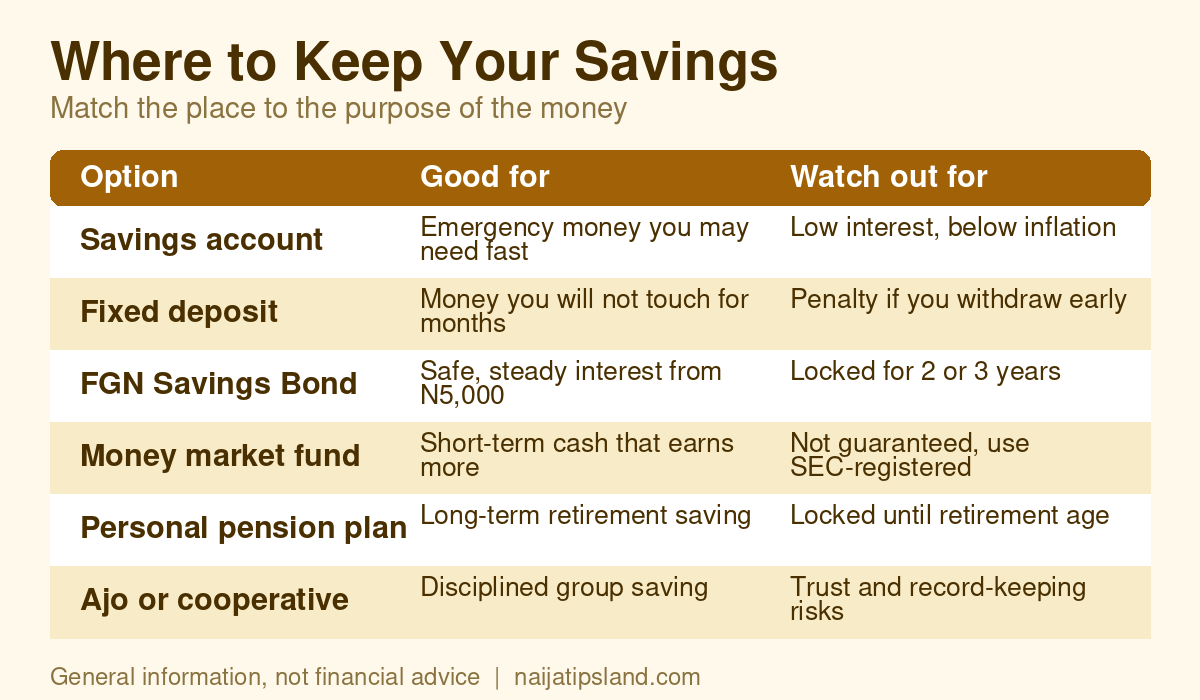
Below is a comprehensive table summarizing the strategies and insights presented in the article for effective financial and resource management.

TopicDescriptionStrategies
Tracking ExpensesAnalyzing spending habits is crucial for financial clarity.Record all transactions daily using tools like apps or spreadsheets.
Review expenses weekly and monthly.
Shopping LocallyLocal markets provide more affordable goods.Visit markets early to negotiate lower prices.
Buy necessities in bulk to save consistently.
Eliminating SubscriptionsRegular audits reduce unnecessary charges.List all subscriptions and their costs.
Cancel unused services to reclaim funds.
Home CookingPreparing meals at home reduces food expenses.Plan weekly meals.
Shop for fresh ingredients and store meals appropriately.
Utilizing Public TransportReduces individual transportation costs.Opt for carpooling.
Integrate public transport systems for daily commutes.
Negotiating PricesEnables maximization of value during purchases.Research item costs.
Negotiate respectfully with knowledge of alternatives.
Building Emergency FundsEstablishes financial resilience during crises.Dedicate savings to separate accounts.
Automate contributions for consistency.

This table highlights actionable ways to improve financial management tailored to the article’s key recommendations.

Take Control of Your Finances with Naijatipsland Today

Saving money in Nigeria starts with clear awareness of your spending and smart choices that fit your lifestyle. This article highlights challenges like tracking expenses, cutting unnecessary subscriptions, and embracing cost-effective shopping — all crucial steps to stretch every naira wisely. If you want to stay informed, share your savings tips, or discuss real-life money challenges with fellow Nigerians, Naijatipsland.com offers the perfect community platform for you.

https://naijatipsland.com

Join thousands of Nigerians engaging in meaningful conversations about personal finance, lifestyle hacks, and current affairs at Naijatipsland. Discover fresh ideas, exchange practical money-saving strategies, and stay up to date with the latest trending topics that impact your wallet and well-being. Start making confident financial decisions now and be part of a growing community that supports your goals. Visit Naijatipsland.com and dive into discussions that empower you to save smarter today.

Frequently Asked Questions

How can I track my monthly expenses effectively in Nigeria?

To track your monthly expenses, choose a method that suits you, such as using mobile apps, spreadsheets, or even pen and paper. Start by recording every expense daily; after one month, review your spending patterns to identify areas for potential savings.

What are the benefits of shopping at local markets in Nigeria?

Shopping at local markets allows you to find lower prices compared to supermarkets since they reduce costs by eliminating middlemen. Begin visiting local markets each week, and you may save up to 20-30% on your grocery bills each month.

How can I cut unnecessary subscriptions and bills?

Review your current subscriptions and identify ones you don’t use regularly. Aim to cancel at least two subscriptions this month to save around 5,000 to 10,000 naira that you can redirect to savings or investments.

What steps should I take to start cooking at home instead of eating out?

To start cooking at home, create a weekly meal plan and make a shopping list based on the ingredients you need. By doing this, you can lower your monthly food expense by up to 50% as home-cooked meals are significantly cheaper than restaurant meals.

How can I effectively build an emergency savings fund in Nigeria?

To build an emergency savings fund, open a separate savings account and automate monthly contributions. Start with a goal of 50,000 to 100,000 naira in the first six months to provide a safety net for unexpected expenses.

NTL
We will be happy to hear your thoughts

      Leave a reply

      Nigeria's Fast-Growing Online Forum for News & Discussions
      Logo
      1